Springfield Considers Full Ban on Crypto Kiosks
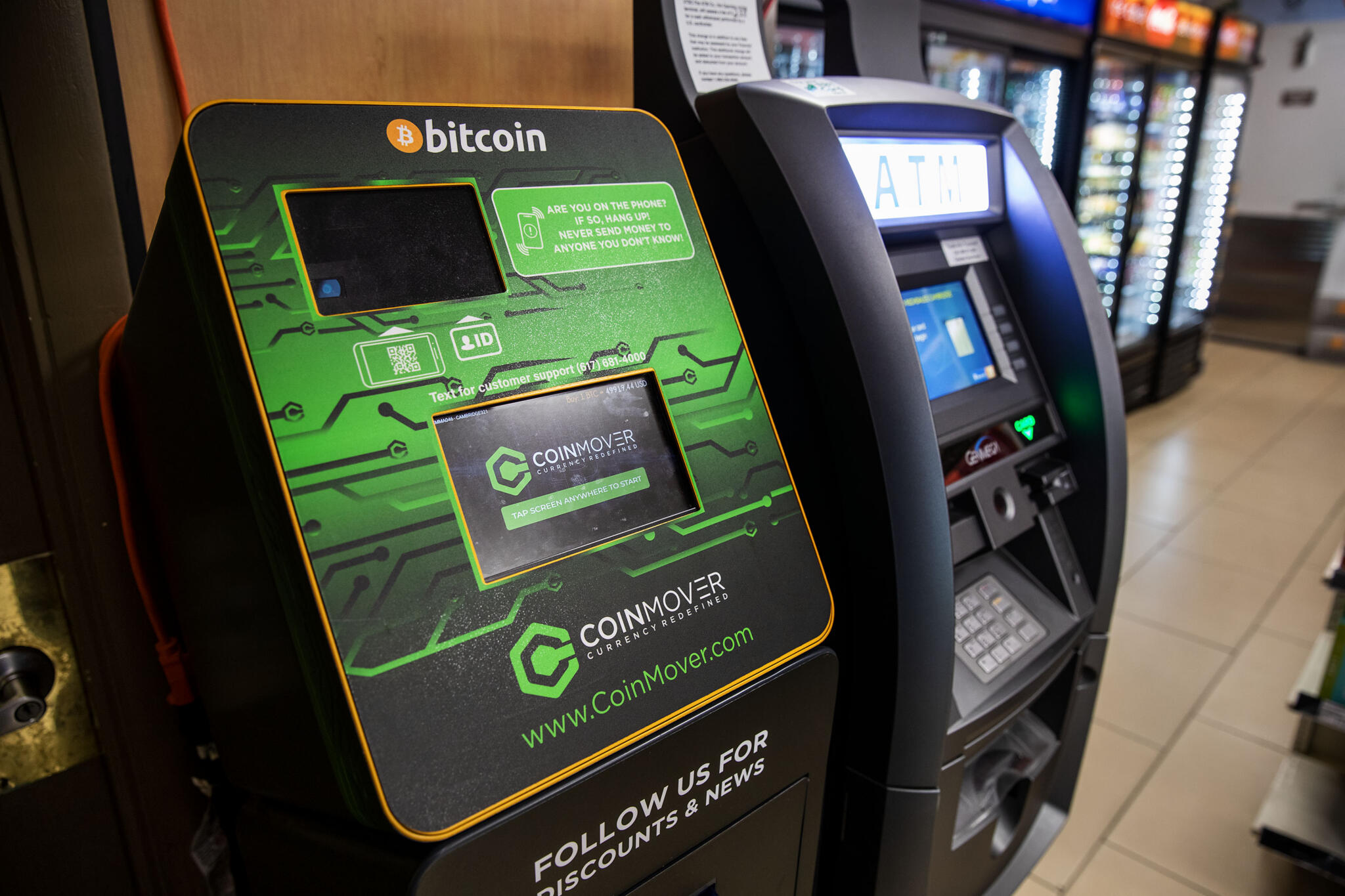
The Springfield City Council is preparing to vote on a complete ban on cryptocurrency kiosks. Local leaders want to stop scammers from tricking people into sending away their hard-earned cash. If the council passes the plan, shops across the city will have to remove these machines.
Why is Springfield banning crypto kiosks?
People use these standalone machines to buy coins like Bitcoin with paper cash. Criminals often tell victims that they owe money to the police or the government. Then, the scammers tell the scared victims to deposit money right into a local machine. Once the cash goes into the kiosk, it turns into digital coins that go straight to the criminal.
Local leaders believe a full ban is the cleanest way to protect residents. Other towns have tried warning signs, but fraudsters still find ways to confuse older people. A total ban removes the tool entirely so scammers cannot direct victims to local stores.
How cryptocurrency kiosks work in local shops
You can find these machines in gas stations, convenience stores, and grocery markets. They look just like regular bank cash machines, but they connect directly to digital networks. Anyone can walk up, feed twenty-dollar bills into the slot, and send digital tokens to any wallet address. Here are the main facts about these machines:
- They let users trade paper cash for digital currency in minutes.
- Transactions cannot be reversed once the machine accepts the money.
- Scammers love them because the funds move out of reach right away.
- Store owners often host them to earn extra rent money each month.
What this means for everyday crypto users
Regular buyers who do not use kiosks will not feel much change. Most people buy their digital assets on normal online exchanges through their home computers or mobile phones. But people without bank accounts often rely on physical cash machines to get started with digital coins.
If the ban goes through, honest users will have to travel outside the city or open a traditional bank account to make purchases. Store owners will also lose the steady income they made from renting out floor space to kiosk operators. City leaders think losing that convenience is worth it if it saves families from losing thousands of dollars.
What will happen next in Springfield?
The city council will meet to debate the proposed rule and hear from the public. Both machine owners and fraud victims may come to share their sides of the story. If the council votes yes, Springfield will set a date for all operators to unplug their hardware.
Other nearby towns will likely watch the results of this vote very closely. If Springfield successfully blocks these machines, more city councils might try the exact same thing to protect their own residents. For now, all eyes are on the upcoming council vote.


Comments
Post a Comment