States and Cities Move to Ban Cryptocurrency Kiosks
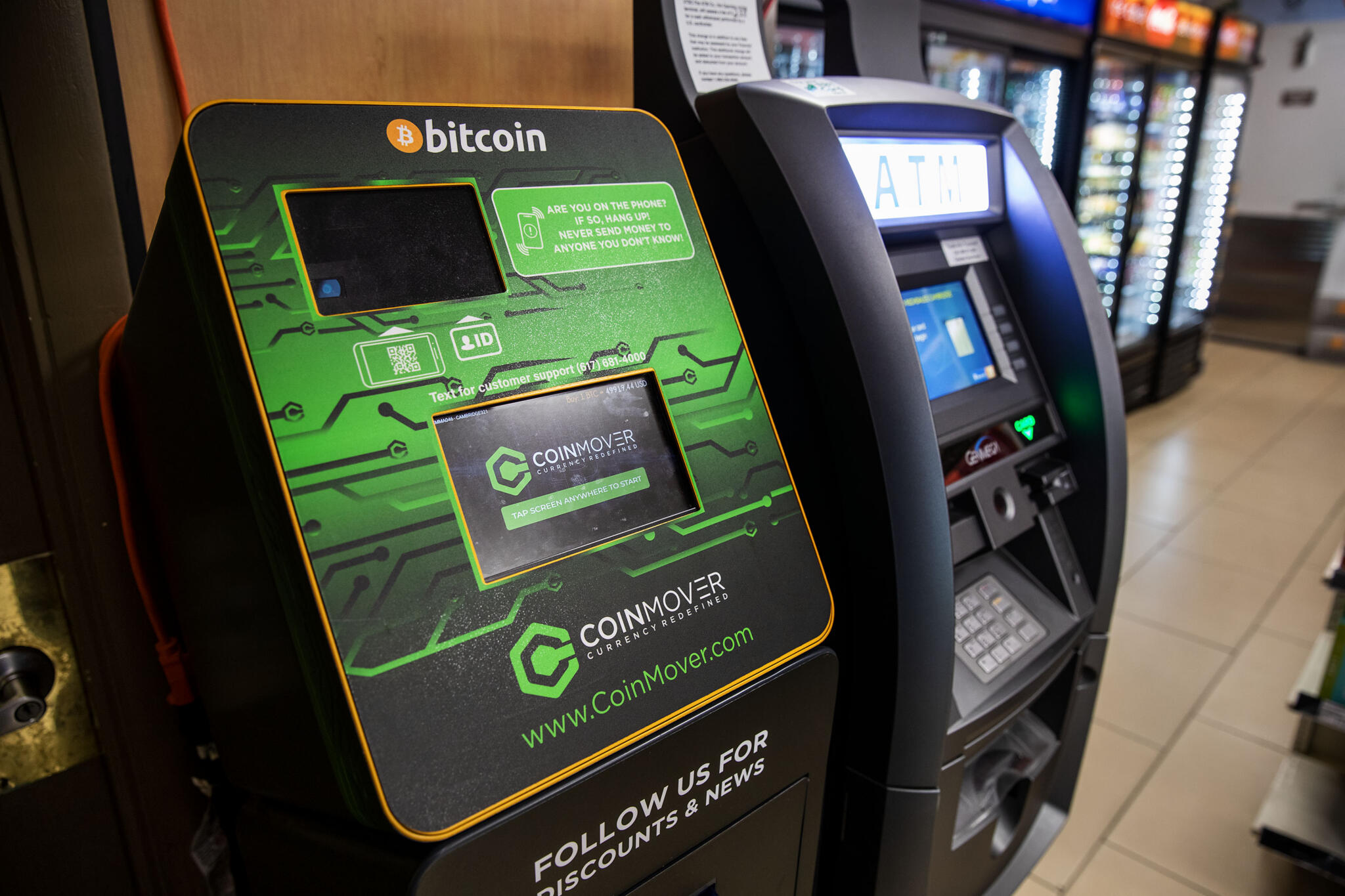
States and cities across the country are moving to ban cryptocurrency kiosks. Lawmakers are taking action because scams linked to these machines keep rising. Officials want to protect regular consumers from losing money to fraud.
Why are cities banning cryptocurrency kiosks?
Cryptocurrency kiosks look just like regular bank ATMs, but they let people deposit cash to buy digital tokens. Many bad actors target everyday people and tell them to send cash through these machines. Because these transactions happen fast and cannot be undone, victims often lose their money forever. Local leaders now say that shutting down the machines is the best way to keep people safe.
Reports of fraud tied to these machines have jumped in many communities. You can read more about how scammers use digital assets by looking at Cryptocurrency and crime. Police departments say older residents are often the main targets of these kiosk tricks. When people realize they were tricked, the cash is already gone into private digital wallets.
What this means for everyday people
If you use a kiosk to buy digital money, you might soon find fewer machines in your neighborhood. Grocery stores, gas stations, and convenience shops may have to unplug them. Lawmakers believe stopping easy street access to these machines will block scammers from coaching victims in real time. People who do not use these machines will simply see less fraud in their towns.
Here are the key points behind the new bans:
- Scammers use kiosks to take cash from unsuspecting victims.
- City and state leaders want strict bans to cut down on fraud.
- Regular buyers will have to use other ways to trade tokens.
- Community leaders want safer rules for all financial machines.
How to trade digital coins without a kiosk
People who still want to buy coins will need to turn to traditional digital platforms instead. Using an online account often requires extra identity checks that keep buyers safer than a sidewalk machine. Anyone who holds a Cryptocurrency can still send and receive funds through standard computer apps. These services usually provide clearer warnings before anyone sends funds to an unknown address.
Learning how these platforms work can help you avoid costly mistakes. Most official sites have tools that help detect unusual activity before you make a deposit. Taking your time online is much safer than rushing to a street machine under pressure from a stranger. Smart digital habits make it much harder for criminals to take your funds.
What to watch for next
More local governments are expected to debate similar rules in the coming months. Kiosk operators may push back against complete bans by offering new warning screens or daily deposit limits. However, many city councils feel that simple warning labels are not enough to protect residents. Watch your local news to see if your town votes on a kiosk ban soon.
Police will also continue to track how scammers change their tactics as these machines disappear. Fraudsters usually look for new ways to get cash when one path closes down. Staying alert and talking to family members about kiosk fraud is still the best defense. Spreading the word helps keep everyone in your community safe from these traps.


Comments
Post a Comment